
There’s a new Pasifika NGO in Hawkes Bay – Kainga Pasifika Services. It was established in 2021 with the support of the Ministry for Social Development and is the first and only Pasifika NGO for the 12,000 or so Pasifika people living from Wairoa down to Central Hawkes Bay.
The two founders of Kainga Pasifika Services, Tevita Faka’osi and Malcom Byford both worked for DOVE Hawkes Bay, a family violence prevention organisation. They could see that this mainstream programme was not meeting the needs of Pasifika, so Tevita developed a new model that would help Pasifika people learn how to have safe and healthy relationships.
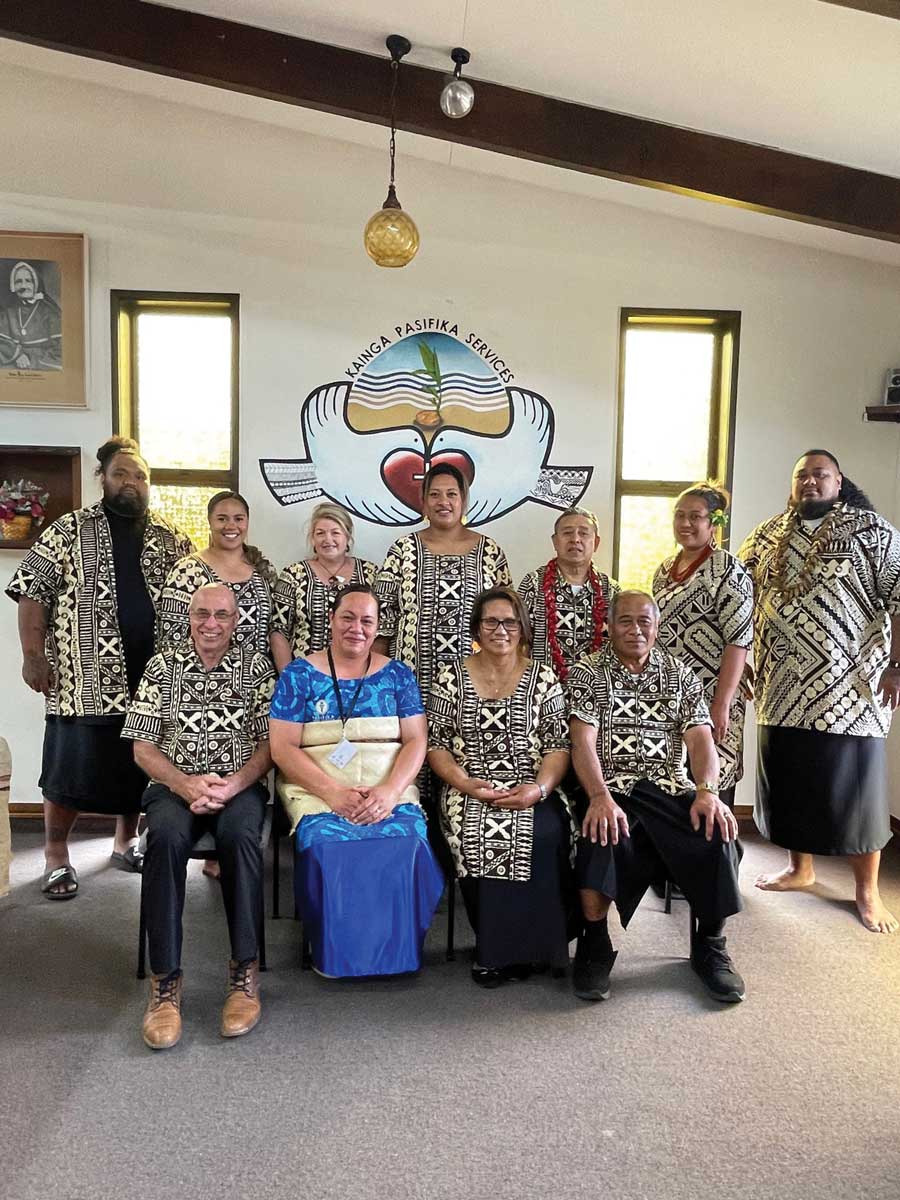 As well as this Safe and Healthy programme, Kainga Pasifika is now funded to provide Whānau Ora, and it has a driver licensing programme and a Community Connector service, connecting Pacific people and Pacific agencies, and helping non-Pacific services get Pacific people to the right service.
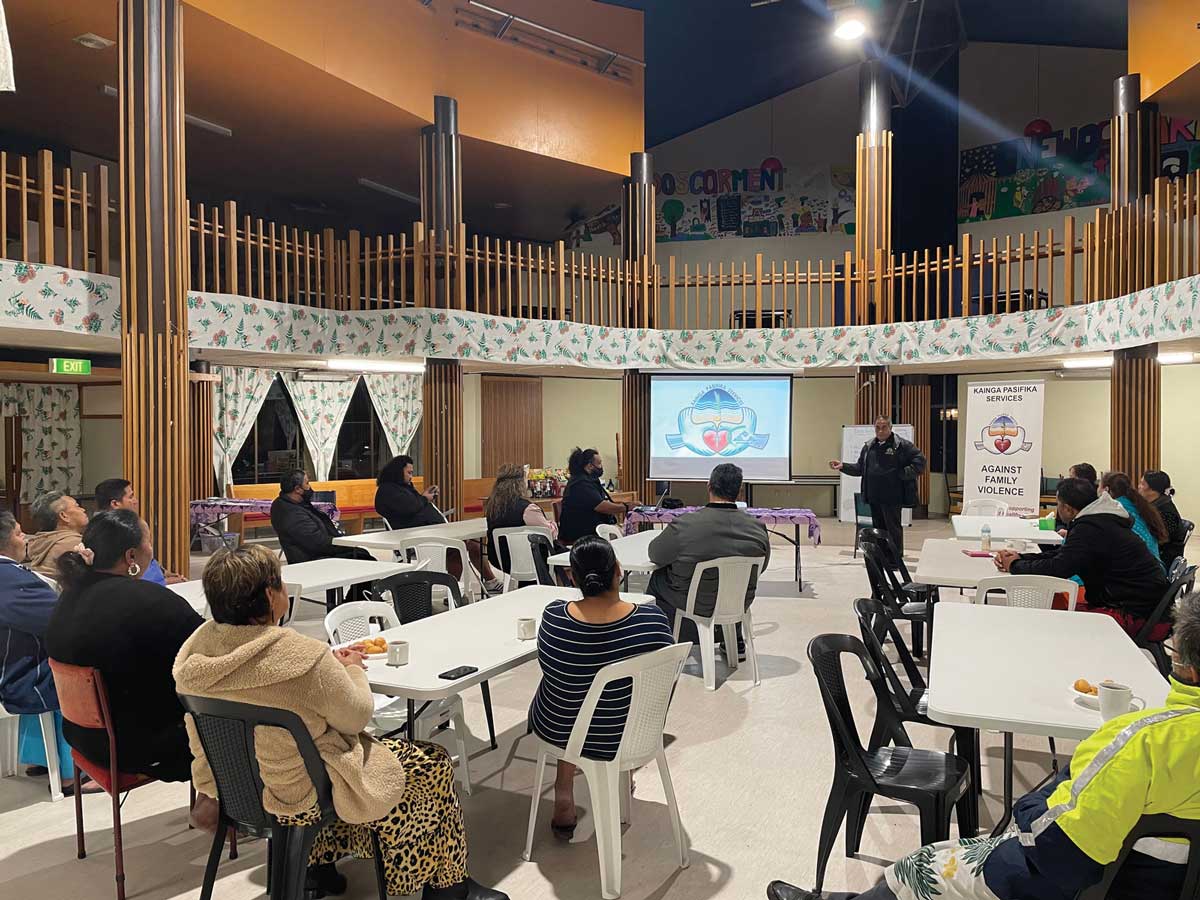
Tevita’s new model for teaching safe and healthy relationships, which is designed for both victims and offenders, works on breaking the cycle of family violence by getting people to re-think some of the messages they have taken on board from their culture and spirituality.
“The programme challenges what is healthy in our culture, spirituality and our relationships,” says Tevita. “Some of our old beliefs have to change, and we have to teach new and healthy beliefs. When I was working at DOVE at first it was hard for me to understand what family violence is all about. Pacific people are not violent people. For us hitting children, for example, was a way of teaching children. We didn’t realise that in the long term we were traumatising them. We need to teach new and healthy beliefs, and sometimes we don’t know how to do that. It’s hard to change beliefs. We need to have the tools to change them.
“Our programme is aimed at connecting Pacific people together through the Safe and Healthy programme, so we are all on the same page. We are working on establishing a church minister’s group, so we are connected and can come together with the leaders in our communities.”
The Safe and Healthy programmes are provided for individuals, couples, and groups, which can be men’s, women’s, or a group of couples.
Some people choose to come, others are referred. Since it began over 60 people have completed the programme. Currently Tevita is working with another 35.
“One of the strengths of the model,” says Malcolm, who is the organisation’s Business Leader, “is that it is based on Tevita’s own journey. Tevita has found a way of teaching people how to change their controlling behaviours.”
 Having such an experienced manager as Malcolm is also a strength. He has been responsible for setting up Kainga Pasifika Services and getting its Level 2 Accreditation, which meant that it can get government contracts such as Whānau Resilience and Whānau Ora.
Vineta Teleke is one of the two whānau ora navigators, each of whom is working with about 40 families at any one time. “And there’s a waiting list,” she says. “The biggest issues are financial hardship so we either refer them to budget advisors, or we have one-to-one and group sessions on financial management. Housing is another big issue and again, depending on their need, we help them get in touch with organisations like Kāinga Ora.
“Our community needs a lot of education. We try and provide as much as we can for our clients on things like healthy homes or how to save power, but we often refer people on to the right agency. Sometimes we ask these agencies to run workshops for our clients. We do a lot of advocating for our clients.”
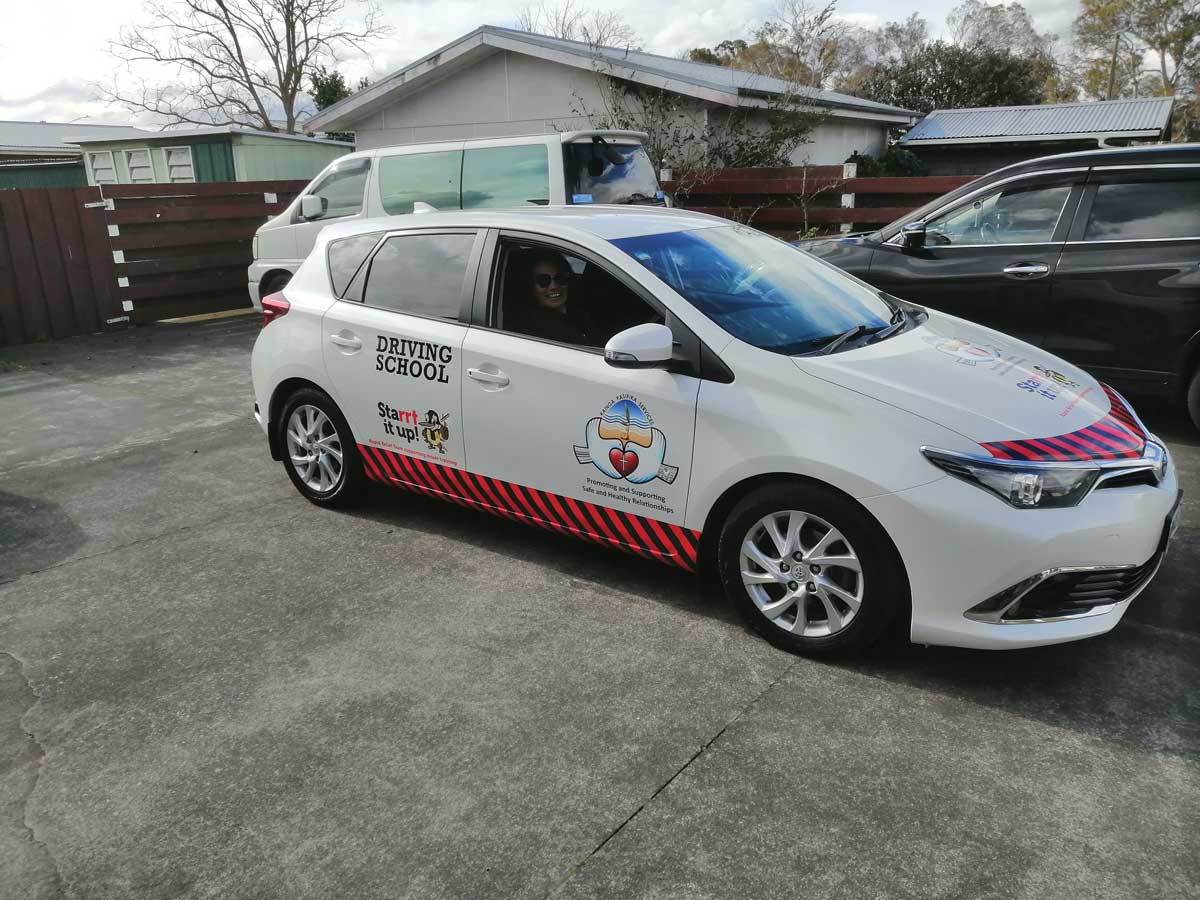
The driver licensing programme came out of another of Tevita’s own experiences. He used to help people from the Pacific to come and work in the horticultural sector. These RSE workers usually didn’t have a driver licence, which made it very difficult for them, so he got the required qualification and taught his workers how to drive. Now, at Kāinga Pasifika Services, his wife Ave along with instructor, Malia Onesi, run the driver licence programme. This ongoing service has already helped over 300 people to get their licence and to drive safely.
Malcom can see the very real benefits of having a Pasifika tutor for the programme.
“There is a huge component of education with the driver licensing. They learn to understand some of the nuances of the English language. Ave and Malia are able to explain words better so they can discuss what it means in their own language. A lot of people who learned to drive in the Islands have really bad habits, so a lot of our teaching is undoing those habits, like driving with one hand on the wheel, or never looking in the rear vision mirror. The programme makes a huge difference and it gives them confidence. Our success rate is close to 100 percent.”
 Promoting ‘the wellbeing and potential of all Pasifika people in Hawkes Bay’, which is the organisation’s vision, is a big job for this fledgling organisation. “We had nothing here before,” says Tevita, “It’s just a start. Our role at the moment is really as a hub so that people can come in here and get the right information. If we can’t help, we refer them.”
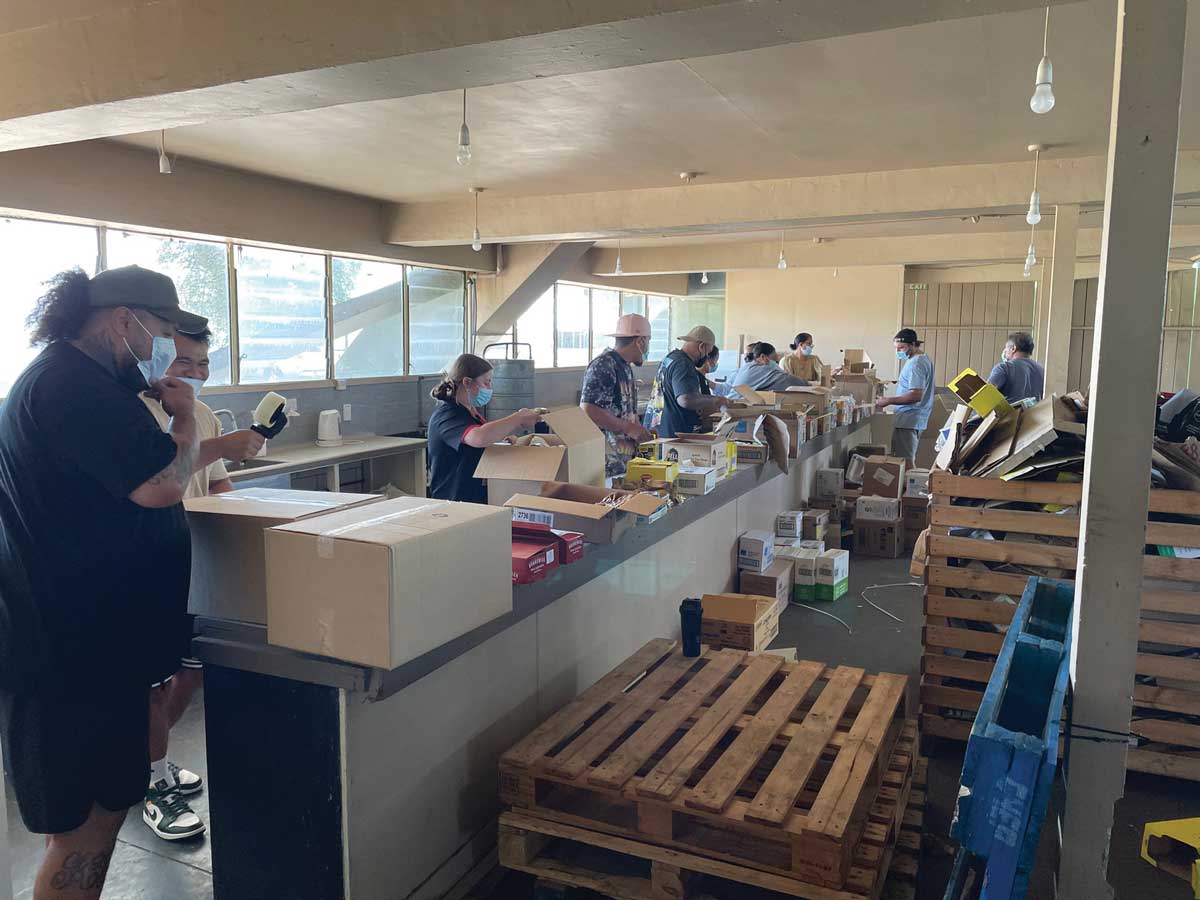
While still building their own capacity, there was no holding back Kainga Pasifika Services when it came to the lockdowns. During that time they helped over 1500 Pasifika families with food and facilitating access to vaccines. Then with cyclone Gabrielle, they’ve been at work again. “We helped over 1000 RSE workers,” says Tevita. “We helped them find temporary accommodation on marae, and community halls, then we brought in mattresses, clothing and food. Having the networks and relationships made the job possible.
Malcom says that lack of statistical data on Pasifika has been one of the barriers to the provision of appropriate services, so this year they worked hard on making sure Pasifika families understand why filling in their census form is important.
Kainga Pasifika Services is in the process of refurbishing its base, the Aubert Centre. Plans have been drawn up and once it has been costed, they will be seeking funding. This will give this developing organisation more space so they can gradually increase their staff and services through collaboration and building even stronger networks. “When we all work together,” says Tevita, “there are always great outcomes for our people.”