

Each year Selwyn College in Kohimarama, Auckland, offers about 700 adult and community education courses, which are attended by more than 7000 people. These courses are delivered through their community education team, Selwyn Community Education (SCE).
The range of courses is wide and includes those designed to help people into employment, to improve their employment, or to develop business opportunities. Many of the classes are, quite simply, about the joy of learning, meeting new people, exploring one’s creativity or interests, and perhaps even finding a hidden talent: all things that promote good mental health and wellbeing.
Thirty percent of courses are funded by the Tertiary Education Commission (TEC). These are free, or course fees are heavily subsidised. They include subjects such as English for migrants, te reo Māori, financial and digital literacy, accounting, resilience, and job skills. Courses are routinely filled. Anne Cave, Selwyn Community Education’s Programme Director, reports their barista courses, for example, are always full. For many, including young people new to the job market, women re-entering the workforce, and those recovering from Covid-related job losses, a Selwyn Community Education course is a stepping stone to employment.
Selwyn Community Education also offers a selection of personal development courses on subjects such as Overcoming Obstacles to Creativity, Finding Your Voice and Identity as a Migrant Woman in NZ, Becoming Unstoppable, Career Clarity – Figure out Your Next Move, and Creating Your Future – Life and Work After 50. Art, cooking and exercise classes remain popular, as well as those on topics such history, architecture and society. Pottery courses always fill. “There’s a big waiting list for pottery classes,” Anne says. “You can see the joy on their faces as they come out of their class with something they have created. They are feeling really happy.”
Think Talks (suggested koha $5.00) engage people’s curiosity. In these monthly talks, talented and persuasive presenters address an audience for one hour on a diverse range of topics, such as law, medicine, politics, conservation, and the media. It’s a similar format to TED Talks, and always sparks debate. In March 2023, it was Kids and Screens: the State of Play presented by a panel of health experts.
There’s a place on the school’s ACE website where customers can suggest a course. Also, Anne keeps an eye on what’s being offered in other cities, such as Melbourne. While most of the ACE courses are run on Monday, Tuesday and Wednesday evenings, the college also has a smaller number of day-time English classes.
And 12 times a year, SCE opens the school for weekend classes, attracting up to 250 participants. April 2023’s weekend programme offered 30 different courses, including English – Improve Your Pronunciation Skills, How to Use Facebook for Marketing, Korean Vegetarian Food, and Contemporary Textile Design.
As well as this significant adult and community education programme, Selwyn College offers a unique school-based programme for refugees called Refugee Education for Adults and Families (REAF). REAF delivery supports adults who are enrolled at the college as secondary students, and therefore the programme is funded through the Ministry of Education. The college provides a creche facility for the children of enrolled parents.
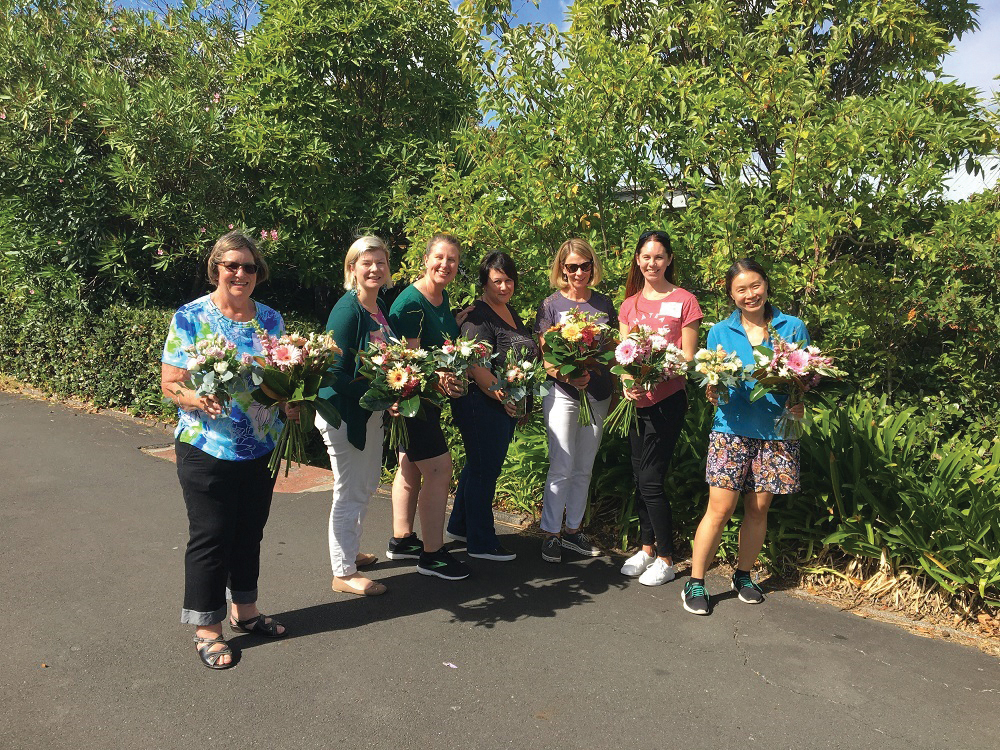 In the past, some ACE courses failed to get sufficient registrations and were cancelled. Anne says that has not been the case post-Covid. “People are just so glad to get back in the classroom and be part of a group again, English in particular. This year our numbers have skyrocketed. They disappeared because of Covid. Our learners lost confidence. Now their confidence has come back and they are telling their friends. Ninety percent of registrations are from word of mouth.”
Anne says people come from all over Auckland to attend the programme, and even from other parts of Aotearoa. Before the funding cuts in 2009, there were 17 schools in Auckland funded for ACE. Now there are just six. These schools have formed the Auckland Schools Community Education Association. ASCEA has a website, members meet twice a year, share tutors and organise a two-day tutor training workshop. “We’ve become a support group, says Anne. “We share ideas and tutors. It’s very collaborative, not competitive at all.”
There are, of course, some challenges in running an ACE programme. Chief amongst them is attracting more men and more learners under 30. Most learners are women, and most are over 55. Anne would also like to increase their social media marketing, particularly with Instagram. Most of those joining courses either hear about the programme from friends or use Google. But, large as the programme is, there are still opportunities for growth. There’s nothing on the North Shore and some of the people living in that community desperately want a te reo course, so the community education team of five is currently looking at where they might be able to hire facilities. They are also talking with libraries and community groups about providing other courses.
There’s good evidence that the ACE programme gets good results.
Participants are asked to fill in the ACE Aotearoa Outcomes Tool. These …results indicate that people attending complete their courses with more confidence, personally and when at work or seeking work.
One newly confident learner who completed two of Liz Draydon’s Speaking with Confidence courses wrote in her feedback: “I have been actively looking for a job for seven months and I had many job interviews but I was unsuccessful. I realised that I needed to be a more confident speaker, so I decided to do Liz’s course. After successfully completing her Level 1 and Level 2 courses I was hired and now have my dream job. This was directly attributable to Liz, what I learned from her, the feedback she provided, the interaction with the class, and the confidence she inspired in me. Thank you once again for offering such a breadth of inspiring and awesome community education classes at Selwyn College. There really is something for everyone!”
As education policy has changed, keeping night courses going at secondary schools can be a challenge. So we asked Selwyn College Principal Sheryll Ofner why her school still has an ACE programme. This is what she said:
“Learning is a life-long process. By offering Adult and Community Education classes, Selwyn College is contributing to the enrichment of the lives of members of our wider community. It is wonderful to welcome a diverse range of people to our school to learn a huge array of new knowledge and skills. The affordable courses enhance their personal and working lives and help create new opportunities and possibilities. They bring the school to life after dark which we regard as a wonderful use of this valuable community resource.”